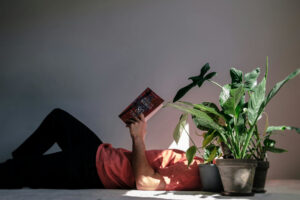
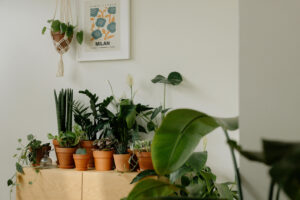
Decorating your walls with indoor hanging plants and wall shelves is an excellent way to bring life and dimension to your living space. Incorporating greenery into your home can elevate the atmosphere, improve air quality, and create a calming environment. Whether you opt for indoor wall-mounted planters, macrame plant hangers, floating shelves, or a vertical gardening wall, these elements allow you to display plants in an artistic and space-saving manner. In this guide, we’ll explore various styles and solutions, discuss the pros and cons, and provide practical tips for integrating indoor plants and wall shelves into your decor.
Why Incorporate Indoor Hanging Plants and Wall Shelves?
Combining plants with wall shelves or hangers is a perfect way to maximize your space and enhance your decor. Plants not only add beauty and vibrancy to a room but also help purify the air and improve mental well-being. Using shelves or hanging planters allows you to showcase your plants while keeping your floors and counters clutter-free.
1. Indoor Wall-Mounted Planters: Space-Saving and Stylish
Indoor wall-mounted planters are a practical and elegant way to display your plants on vertical surfaces. These planters come in various materials such as ceramic, metal, wood, or plastic and can accommodate different plant sizes, from small succulents to medium-sized foliage plants.
Pros of Wall-Mounted Planters:
- Space-saving: Ideal for small spaces or apartments where floor space is limited.
- Stylish: Available in different materials and designs to match your interior decor.
- Customizable: You can arrange planters in creative patterns, allowing for artistic expression.
Cons of Wall-Mounted Planters:
- Weight considerations: You need to ensure that your walls can support the weight of the planters, especially when filled with soil and water.
- Water drainage: Some wall-mounted planters may not have sufficient drainage, which can lead to overwatering or root rot if not monitored carefully.
Practical Tips:
- Choose planters with built-in drainage systems or add a layer of pebbles at the bottom of the planter to prevent waterlogging.
- Install sturdy brackets or anchors to secure heavier planters to the wall.
- Arrange planters at eye level or higher to draw attention upward, creating the illusion of height in a room.
2. Indoor Macrame Plant Hangers: Boho-Chic Elegance
Indoor macrame plant hangers add a touch of bohemian flair to your space while providing a stylish way to display hanging plants. These woven holders are made from natural materials like cotton or jute and can accommodate a wide range of plant pots.
Pros of Macrame Plant Hangers:
- Versatile: Suitable for hanging from walls or ceilings, making them flexible for different spaces.
- Aesthetic appeal: The natural texture and craftsmanship of macrame add a cozy, organic feel to a room.
- Space-efficient: Perfect for small apartments or homes with limited floor space.
Cons of Macrame Plant Hangers:
- Limited plant size: Typically, macrame hangers are designed for smaller or medium-sized plants, limiting your options for larger species.
- Light access: Plants in hangers may not always get enough light if placed too high or far from windows, requiring careful planning.
Practical Tips:
- Use a sturdy hook or wall bracket to secure the macrame hanger, especially for heavier pots.
- Combine different lengths of macrame hangers to create a layered effect for visual interest.
- Choose trailing plants like pothos, spider plants, or string of pearls, which will beautifully cascade down from the hanger.
3. Indoor Plant Holders: Versatile Solutions for Every Space
Indoor plant holders come in various forms, including floor-standing, tabletop, and wall-mounted varieties. These holders allow you to place plants in strategic locations around the room, making them both decorative and functional.
Pros of Indoor Plant Holders:
- Variety: Available in numerous styles, sizes, and materials, making it easy to find something that suits your home.
- Mobility: Many plant holders can be easily moved, allowing you to change up your decor or adjust your plants based on light conditions.
- Protection: Raised plant holders can protect floors and furniture from water damage and soil spillage.
Cons of Indoor Plant Holders:
- Space requirements: Floor-standing plant holders, in particular, take up space, which may not be ideal for smaller rooms.
- Design limitations: Wall-mounted holders may limit the types of plants you can display due to space and weight constraints.
Practical Tips:
- Opt for adjustable plant holders that can accommodate different pot sizes, giving you more flexibility in plant selection.
- Pair plant holders with decorative pots that match your interior theme for a cohesive look.
- Place plant holders near natural light sources to ensure your plants thrive, but rotate them regularly for even growth.
4. Floating Shelves: Display Plants in Style
Floating shelves are an increasingly popular way to combine plants and decor in one stylish display. These shelves create a clean, minimalist look while allowing you to mix plants with decorative items like books, frames, or sculptures.
Pros of Floating Shelves:
- Minimalist design: Floating shelves create a sleek, modern appearance that doesn’t overwhelm a space.
- Flexible layout: You can arrange multiple shelves in various configurations to suit your style.
- Multipurpose: In addition to plants, you can showcase other decor items to create a balanced and visually engaging wall display.
Cons of Floating Shelves:
- Weight limits: Depending on the type of shelving and installation, floating shelves may have weight restrictions, which can limit the size of plants you can display.
- Maintenance: Dust and dirt can accumulate on plants and shelves, requiring regular cleaning to keep your display looking fresh.
Practical Tips:
- Choose sturdy floating shelves with a high weight capacity if you plan to display larger plants or pots.
- Use a mix of trailing plants, like ivy or pothos, and upright plants, like succulents or cacti, for added visual interest.
- Stagger the shelves vertically or horizontally for a dynamic, layered look.
5. Indoor Vertical Gardening Wall Ideas: Maximizing Greenery in Small Spaces
For those who want to make a bold statement, indoor vertical gardening is an innovative way to cover an entire wall with plants. Vertical gardens use special panels, shelves, or structures to hold multiple plants, creating a lush, green living wall.
Pros of Indoor Vertical Gardens:
- Space-saving: Vertical gardens maximize the use of wall space, making them perfect for urban homes with limited square footage.
- Health benefits: Living walls improve air quality, reduce noise, and create a calming atmosphere.
- Dramatic effect: A vertical garden can serve as a striking focal point in any room, offering a sense of serenity and nature.
Cons of Indoor Vertical Gardens:
- Maintenance: Vertical gardens require more care than individual plants, including watering systems, regular pruning, and monitoring for pests.
- Installation costs: Setting up a vertical garden can be costly, especially if you need specialized frames or irrigation systems.
Practical Tips:
- Choose hardy, low-maintenance plants such as ferns, pothos, or philodendrons that can thrive in vertical garden environments.
- Install a drip irrigation system or use self-watering planters to ensure consistent moisture levels for your plants.
- Consider mixing in air plants (which don’t require soil) to add texture and variety to your vertical garden.
6. Indoor Air Plants: Low-Maintenance and Versatile Decor
Indoor air plants (also known as Tillandsia) are unique because they don’t require soil to grow. This makes them perfect for creative displays on walls, in glass terrariums, or mounted on wooden frames.
Pros of Air Plants:
- Low maintenance: Air plants require minimal care; they only need misting or soaking in water occasionally.
- Versatile: Because they don’t need soil, air plants can be displayed in a variety of creative ways, including mounted on walls, suspended from ceilings, or nestled in decorative holders.
- Compact: Air plants are small and lightweight, making them ideal for tight spaces or minimalist designs.
Cons of Air Plants:
- Limited size: Air plants stay relatively small, which may limit their visual impact in larger spaces.
- Humidity sensitivity: Air plants need a humid environment, which can make them more challenging to care for in dry climates.
Practical Tips:
- Display air plants in open terrariums or mount them on pieces of driftwood for an artistic, modern look.
- Mist your air plants with water 2–3 times a week or soak them in water for 20–30 minutes every two weeks.
- Combine air plants with other elements like moss, pebbles, or small sculptures for a unique, natural wall display.
Pros and Cons of Indoor Hanging Plants and Wall Shelves
Pros:
- Space efficiency: Hanging plants and wall shelves free up floor space and allow you to make the most of vertical space.
- Visual appeal: Incorporating greenery into your wall decor adds color, texture, and life to your room.
- Customizable: There are countless ways to mix and match plants, shelves, and hangers to fit your aesthetic.
Cons:
- Maintenance: Depending on the type of plants and display, regular watering, pruning, and cleaning may be required.
- Weight considerations: Some wall-mounted options may require reinforcement to handle the weight of planters and soil.
By carefully selecting the right combination of indoor hanging plants and wall shelves, you can transform any room into a vibrant, serene space that reflects your personal style while maximizing functionality.