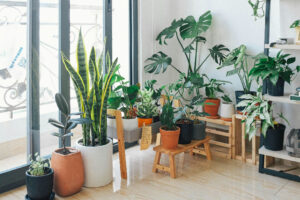
Adding greenery to your home not only enhances its aesthetic appeal but also provides numerous health benefits. However, if your space lacks abundant natural light, you might think indoor plants are off-limits. Luckily, there’s a wide range of low-light indoor plants that can thrive in shaded spaces like bedrooms, bathrooms, and even offices.
This guide dives deep into the best indoor plants for low-light bedrooms, options for low-light bathrooms, answers the question, What plants can survive in low light?, and provides practical tips on How to care for low-light indoor plants. Whether you’re a beginner plant parent or an experienced gardener, you’ll find everything you need to know about creating a lush haven in dimly lit spaces.
Why Low-Light Indoor Plants Are a Game-Changer
Low-light indoor plants are perfect for shaded areas where sunlight is scarce. They can transform dim corners into vibrant spaces and improve your indoor environment. Here’s why they’re worth considering:
1. Adaptability to Dim Spaces
Unlike sun-loving plants, low-light varieties are naturally suited to environments with limited sunlight. They thrive in places where natural light is indirect, filtered, or sparse.
2. Air-Purifying Benefits
Many low-light plants, such as the Snake Plant and Peace Lily, are natural air purifiers. They absorb toxins like formaldehyde, benzene, and carbon monoxide, making your home healthier.
3. Stress Reduction and Relaxation
Studies show that surrounding yourself with plants can reduce stress, increase productivity, and create a calming ambiance.
4. Low Maintenance
Most low-light plants are forgiving, requiring less frequent watering and minimal attention, making them ideal for busy lifestyles.
Best Indoor Plants for Low-Light Bedrooms
Bedrooms are often places for rest and relaxation. Adding low-light indoor plants not only elevates the decor but also promotes better air quality, contributing to a peaceful sleep environment. Here are the best choices:
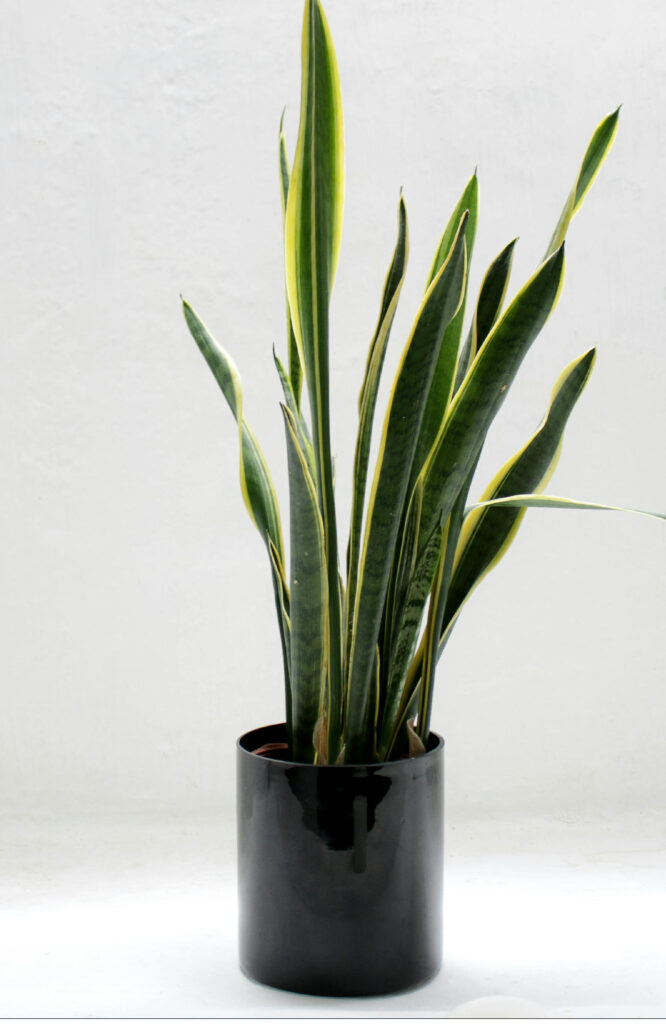
1. Snake Plant (Sansevieria)
The Snake Plant, also known as Mother-in-Law’s Tongue, is one of the easiest plants to care for and a top pick for bedrooms.
- Why It Works in Bedrooms:
- Releases oxygen at night, unlike most plants that do so during the day.
- Its upright, architectural leaves suit modern and minimalist interiors.
- Care Tips:
- Water only when the soil is completely dry. Overwatering can lead to root rot.
- Place in a low-light corner or near a window with filtered light.
2. ZZ Plant (Zamioculcas zamiifolia)
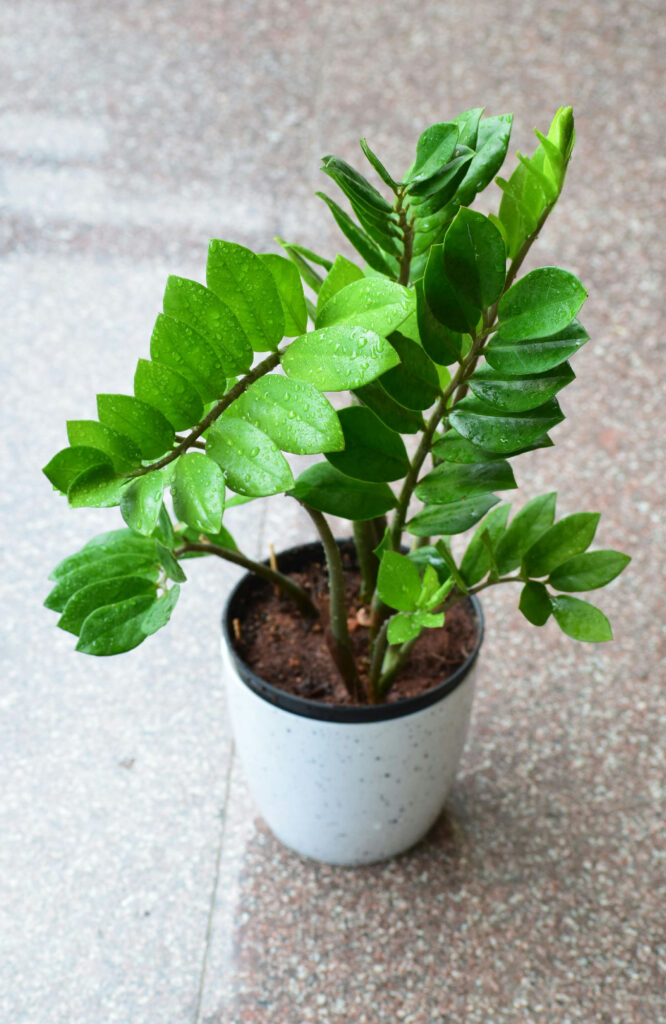
With its glossy, dark green leaves, the ZZ Plant adds elegance to any bedroom.
- Why It Works in Bedrooms:
- Tolerates neglect and thrives in extremely low light.
- Its slow growth and compact size make it perfect for nightstands or shelves.
- Care Tips:
- Water infrequently; it stores water in its rhizomes.
- Avoid direct sunlight, which can scorch its leaves.
3. Peace Lily (Spathiphyllum)
The Peace Lily is a graceful plant with lush green foliage and occasional white blooms.
- Why It Works in Bedrooms:
- Excellent for improving air quality and reducing allergens.
- Its lush appearance brings life to dull spaces.
- Care Tips:
- Keep the soil consistently moist but not waterlogged.
- Place in medium to low light, avoiding direct sun.
Low-Light Indoor Plants for Bathrooms
Bathrooms can be tricky for plants due to fluctuating humidity levels and limited sunlight. However, some plants thrive in these conditions, adding a touch of nature to your daily routine.
1. Boston Fern (Nephrolepis exaltata)
Boston Ferns are a classic choice for humid environments. Their feathery fronds create a lush, tropical feel.
- Why It Works in Bathrooms:
- Loves high humidity, making it perfect for bathrooms with showers.
- Adds a soft, natural texture to small spaces.
- Care Tips:
- Mist regularly or place near a shower to maintain moisture.
- Water consistently to keep the soil slightly damp.
2. Pothos (Epipremnum aureum)
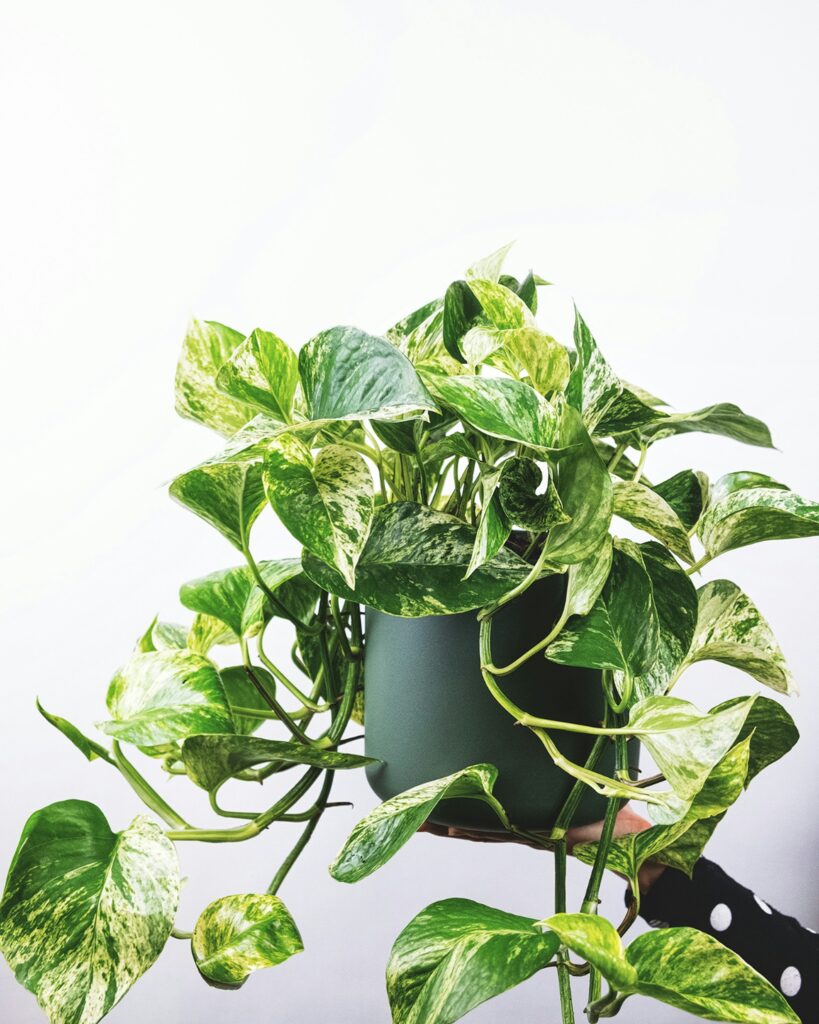
Pothos is a versatile and low-maintenance plant that thrives in bathrooms.
- Why It Works in Bathrooms:
- Tolerates varying light levels and humidity.
- Its trailing vines are ideal for hanging baskets or high shelves.
- Care Tips:
- Allow the top inch of soil to dry before watering.
- Prune regularly to maintain its shape and encourage growth.
3. Spider Plant (Chlorophytum comosum)
Spider Plants are hardy and forgiving, making them an excellent bathroom companion.
- Why It Works in Bathrooms:
- Thrives in humidity and tolerates low light.
- Its baby “spiderettes” can be propagated easily to grow new plants.
- Care Tips:
- Keep soil lightly moist, and avoid overwatering.
- Place in indirect light to prevent browning leaf tips.
What Plants Can Survive in Low Light?
Some plants have evolved to survive and even thrive in minimal light. Here’s a list of robust options that will do well in shaded spaces:
1. Cast Iron Plant (Aspidistra elatior)
- Nicknamed the “Iron Plant” for its resilience.
- Perfect for dark corners or hallways.
2. Philodendron
- Heartleaf Philodendrons are excellent climbers that adapt to low light.
- Require minimal watering and are easy to propagate.
3. Chinese Evergreen (Aglaonema)
- Known for its colorful foliage, which brightens up dark spaces.
- Thrives in low light and is tolerant of occasional neglect.
4. Dracaena
- A tropical plant that adapts to dim lighting.
- Adds height and drama to interior spaces.
5. Parlor Palm (Chamaedorea elegans)
- A slow-growing palm that thrives in indirect light.
- Ideal for creating a luxurious, tropical vibe.
How to Care for Low-Light Indoor Plants
Caring for low-light plants is straightforward, but following these best practices ensures they thrive:
1. Avoid Overwatering
- Overwatering is the most common mistake with low-light plants. Let the soil dry out slightly before watering.
2. Use Well-Draining Soil
- Ensure your plants are in a pot with drainage holes and use soil designed for indoor plants to prevent root rot.
3. Adjust for Humidity
- Bathrooms are naturally humid, but for other rooms, consider misting plants or using a humidifier to maintain optimal levels.
4. Dust Leaves Regularly
- Dust can accumulate on leaves and block light absorption. Clean them with a damp cloth every few weeks.
5. Rotate Your Plants
- Rotate plants periodically so they grow evenly and don’t lean toward the light source.
6. Monitor Pests
- Inspect plants for common pests like spider mites or gnats, and treat them promptly with natural remedies or insecticidal soap.
Creating a Lush Haven in Shaded Spaces
Transforming your shaded spaces with low-light indoor plants is an easy and rewarding way to bring life into your home. Bedrooms, bathrooms, and even offices can become greener, healthier, and more inviting with the right plants.
By choosing resilient plants like Snake Plants, Boston Ferns, or Pothos, and following the care tips outlined here, you’ll enjoy the beauty and benefits of greenery even in the dimmest corners.
FAQs
Q: What are the best indoor plants for low-light bedrooms?
A: Snake Plants, ZZ Plants, and Peace Lilies are great options for bedrooms as they improve air quality and thrive in dim environments.
Q: Which low-light plants work well in bathrooms?
A: Boston Ferns, Pothos, and Spider Plants are ideal for bathrooms due to their love of humidity and adaptability to low light.
Q: What plants can survive in low light?
A: Cast Iron Plants, Philodendrons, Chinese Evergreens, Dracaenas, and Parlor Palms are excellent choices for low-light conditions.
Q: How do you care for low-light indoor plants?
A: Water sparingly, use well-draining soil, clean leaves regularly, and rotate plants to promote even growth.