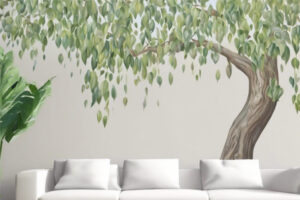
Incorporating removable wallpaper into a gallery wall layout is a modern and versatile way to add color, texture, and dimension to your space. Whether you want to create a bold accent wall or complement your artwork with a subtle background, peel and stick wallpaper offers flexibility and convenience. This guide will explore different removable wallpaper patterns, installation tips, pros and cons, and practical advice on how to use it effectively when designing your gallery wall.
Why Use Removable Wallpaper for a Gallery Wall?
Removable wallpaper provides an opportunity to enhance your gallery wall layout by adding an extra layer of design. Whether your room needs a pop of color, texture, or pattern, wallpaper can set the mood and elevate the visual appeal of your space. It also allows you to change the background easily if you want to refresh your wall’s design in the future.
1. Removable Wallpaper Patterns: Choosing the Right Design
Selecting the right removable wallpaper pattern is crucial when curating a gallery wall. Your wallpaper should complement your artwork or framed pieces without overpowering them. There are a wide variety of patterns to choose from, including geometric designs, floral prints, and minimalist textures.
Popular Removable Wallpaper Patterns:
- Geometric patterns: Bold and modern, geometric designs can add a contemporary feel to your gallery wall.
- Floral prints: These are perfect for creating a soft, romantic, or vintage-inspired space.
- Textured designs: Faux brick, wood, or marble textures can add depth and a natural look to your wall.
- Subtle prints: Minimalist or neutral patterns work well as a backdrop, allowing the artwork to take center stage.
Practical Tips:
- For busy or colorful artwork, choose a simple, subtle wallpaper pattern that won’t compete with the pieces.
- If your gallery wall features black-and-white photographs, a bold geometric or floral pattern can add vibrancy and contrast.
- Consider the overall style of the room—choose wallpaper that matches or enhances your room’s aesthetic.
2. Peel and Stick Wallpaper: The Convenient Choice for Temporary Design
Peel and stick wallpaper has become a go-to solution for renters and homeowners who want the flexibility to change their decor without committing to permanent wallpaper. This type of removable wallpaper adheres easily to the wall and can be removed without leaving residue or damaging the surface.
Pros of Peel and Stick Wallpaper:
- Easy to apply: No need for paste or glue; just peel off the backing and stick it to the wall.
- Removable: Perfect for renters or those who want the option to change designs without damaging the walls.
- Wide range of styles: Peel and stick wallpaper is available in countless patterns, textures, and colors.
Cons of Peel and Stick Wallpaper:
- Adhesion issues: If your walls are not properly prepared, the wallpaper may peel or fail to stick correctly.
- Durability: While peel and stick wallpaper is convenient, it may not be as durable as traditional wallpaper, especially in high-traffic areas.
Practical Tips:
- Ensure that the wall surface is clean, smooth, and dry before applying the wallpaper to prevent peeling or air bubbles.
- For best results, start at the top and slowly smooth the wallpaper down as you peel off the backing.
- If you plan to create a gallery wall over peel and stick wallpaper, make sure your wall art is hung securely to avoid damaging the wallpaper when rearranging pieces.
3. Removable Wallpaper Installation Tips: How to Get It Right
While peel and stick wallpaper is user-friendly, following a few essential steps can make the installation process even smoother. Proper preparation and careful application will ensure that the wallpaper looks professional and lasts longer.
Removable Wallpaper Installation Tips:
- Measure the wall area carefully: Measure your wall to ensure you purchase enough wallpaper to cover the entire space, including an extra roll for mistakes or trimming.
- Prepare the wall: Clean the wall with a damp cloth and let it dry completely. Make sure the surface is smooth—bumps or holes may show through the wallpaper.
- Start from the top: Begin at the top of the wall and slowly apply the wallpaper, smoothing it with a plastic scraper or a squeegee to remove air bubbles as you go.
- Trim the edges: Use a sharp utility knife to carefully trim any excess wallpaper around the edges of the wall for a neat, finished look.
- Test a small section: Before applying large sections, test a small area to ensure that the wallpaper adheres properly.
Practical Tips:
- Use a ruler and level to ensure the wallpaper is straight, especially if you are working with geometric or patterned designs.
- Avoid stretching the wallpaper as you apply it; this can distort the pattern and make alignment difficult.
- Enlist help for larger wall areas to ensure the wallpaper is applied evenly.
4. Removable Wallpaper Pros and Cons: What You Need to Know
When considering removable wallpaper for your gallery wall, it’s important to weigh the pros and cons. While it offers many advantages, there are also a few limitations to keep in mind.
Pros:
- Easy to install and remove: Unlike traditional wallpaper, removable wallpaper can be applied quickly and removed without hassle.
- No damage to walls: Ideal for renters or temporary spaces, peel and stick wallpaper can be taken down without leaving marks or adhesive residue.
- Temporary design solution: If you like to update your home decor frequently, removable wallpaper allows for easy redesigns.
- Budget-friendly: Removable wallpaper is often more affordable than hiring professionals to install permanent wallpaper.
Cons:
- Limited durability: While removable wallpaper is convenient, it may not hold up as well in areas with high humidity (like bathrooms) or high traffic.
- Adhesion issues: Some walls, especially those with rough textures or paint finishes, may not allow the wallpaper to adhere properly.
- Pattern matching can be tricky: For large areas, aligning patterns correctly can be challenging, especially for bold or intricate designs.
Practical Tips:
- Consider where you’re installing the wallpaper; it may not be ideal for bathrooms or kitchens where moisture and heat can affect adhesion.
- If you’re unsure how the wallpaper will look, purchase a sample first to test the color and pattern in your room’s lighting.
- If you want a high-end look, consider using removable wallpaper only on a feature wall or a small accent area.
Conclusion: Elevate Your Gallery Wall with Removable Wallpaper
Incorporating removable wallpaper into your gallery wall layout is a fantastic way to add texture, color, and design without the commitment of traditional wallpaper. Whether you’re using peel and stick wallpaper or experimenting with bold removable wallpaper patterns, the versatility of this product allows you to personalize your space and complement your art collection.
With careful planning and attention to detail, removable wallpaper can transform your gallery wall into a stunning focal point in your home. Use this guide to navigate the pros and cons, choose the right pattern, and install your wallpaper with confidence.